
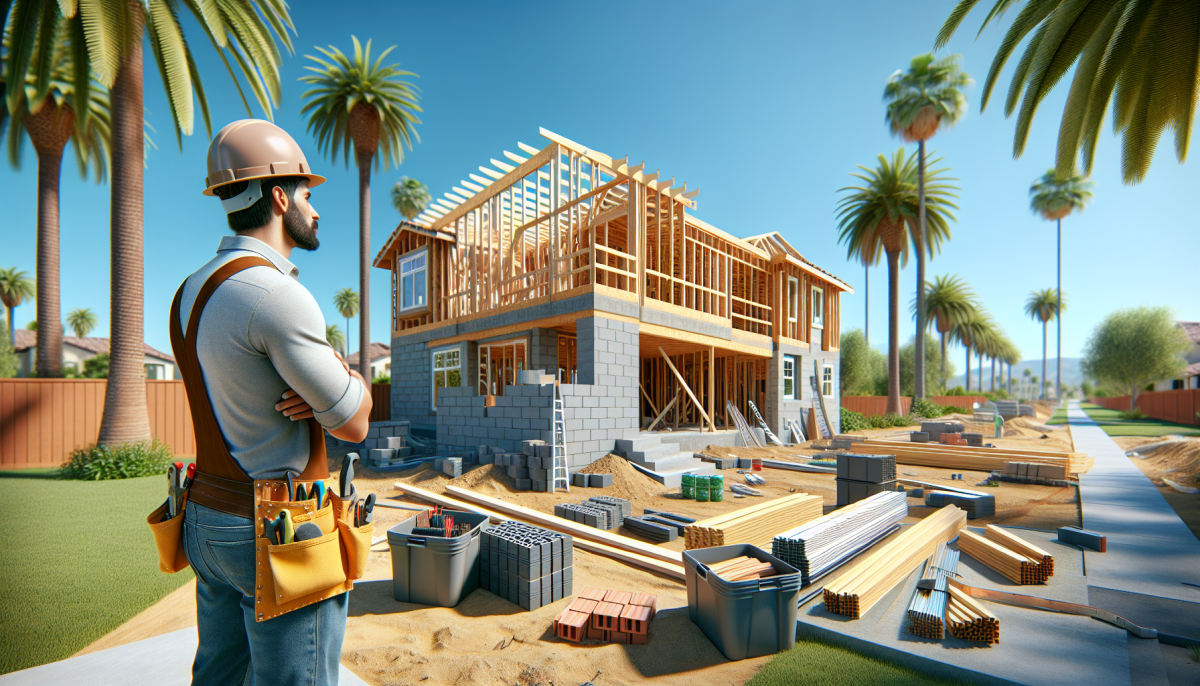
Embarking on the journey of building your first home in California is both exciting and challenging. The Golden State’s unique real estate landscape, coupled with its specific building codes and environmental regulations, creates a complex yet rewarding path to homeownership. This comprehensive guide will walk you through the essential aspects of new home construction in California, helping you navigate the process with confidence and clarity.
Understanding the New Home Construction Landscape in California
California’s new home construction market is characterized by strict building codes, environmental regulations, and varying regional requirements. The state’s Title 24 energy efficiency standards set high benchmarks for sustainable construction, while local ordinances may impose additional requirements based on factors such as seismic activity, wildfire risk, and water conservation needs.
The market is also influenced by factors such as land availability, labor costs, and material prices. Urban areas typically face higher construction costs due to limited land availability and stricter building requirements. Rural areas may offer more affordable options but often come with infrastructure challenges and longer commute times.
Key Considerations Before You Start Building Your Dream Home
Before breaking ground, carefully evaluate your location options. Consider factors such as school districts, proximity to employment centers, and future development plans in the area. Research local zoning laws and building restrictions that might affect your construction plans. California’s diverse climate zones also play a crucial role in determining appropriate building materials and energy efficiency requirements.
Establish a realistic budget that accounts for not just construction costs but also permits, fees, and potential delays. California’s building permits can be particularly expensive, and the approval process may take longer than expected. Factor in a contingency fund of at least 10-15% to handle unexpected expenses or changes during construction.
Navigating the Home Construction Process: What to Expect
The construction process typically begins with site preparation and foundation work, which must comply with California’s stringent seismic requirements. Working with a licensed contractor who understands local building codes is essential. The contractor should provide a detailed timeline and regular updates throughout the construction process.
Expect multiple inspections at various stages of construction. California requires inspections for foundation work, framing, electrical systems, plumbing, and final completion. These inspections ensure compliance with state building codes and local regulations. Be prepared for potential delays due to weather, material availability, or inspection scheduling.
Financing Your New Home: Tips for First-Time Homebuyers
Construction loans in California often differ from traditional mortgages. They typically require larger down payments and involve a two-step process: a construction loan during building, followed by conversion to a permanent mortgage upon completion. Research California-specific programs for first-time homebuyers, including FHA loans and state-sponsored assistance programs.
Consider working with lenders who have experience with construction loans in California. They can guide you through the draw schedule process and help you understand how funds are disbursed during construction. Be prepared for detailed documentation requirements and potentially higher interest rates during the construction phase.
Final Steps: Ensuring Your New Home Meets Your Expectations
Before accepting the final product, conduct a thorough walkthrough with your contractor. Document any issues or incomplete work, and ensure all systems are functioning properly. Request copies of all warranties, maintenance schedules, and operating manuals for installed systems and appliances.
Obtain all necessary certificates of occupancy and final inspection approvals from local authorities. Keep detailed records of all documentation, including permits, warranties, and contractor communications. Consider hiring an independent home inspector for a final inspection to identify any potential issues before closing.