
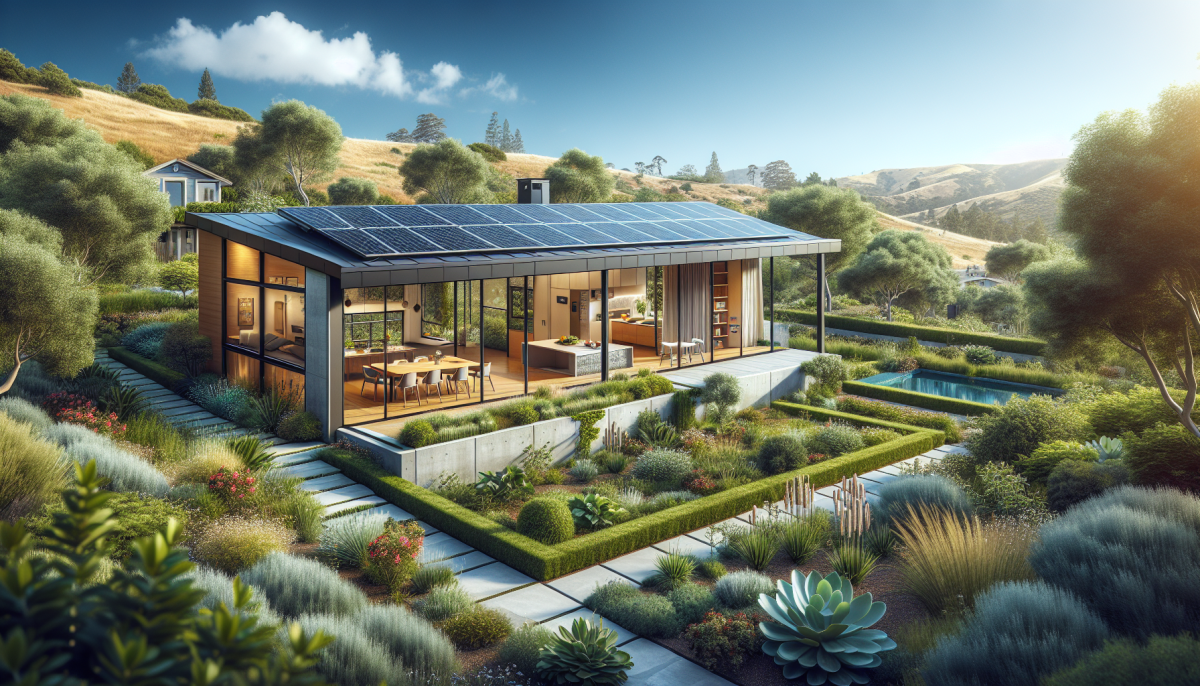
California’s housing market is undergoing a remarkable transformation, driven by innovative home designs that are reshaping the way we think about living spaces. From sustainable eco-friendly solutions to cutting-edge smart home technologies, the Golden State is at the forefront of a housing revolution. This shift is not just about aesthetics or convenience; it’s a response to pressing environmental concerns, changing lifestyle needs, and a growing desire for more connected communities. As we delve into the world of California’s new builds, we’ll explore how these innovative designs are not only meeting the challenges of today but also paving the way for the homes of tomorrow.
Reimagining Home Design: What Makes California’s New Builds Unique
California’s new builds are breaking away from traditional housing molds, embracing designs that reflect the state’s progressive spirit and diverse landscape. These homes are characterized by their emphasis on indoor-outdoor living, a concept that takes full advantage of California’s enviable climate. Large sliding glass doors, expansive patios, and rooftop gardens blur the lines between interior and exterior spaces, creating a seamless flow that extends living areas and connects residents with nature.
Another distinctive feature of California’s new builds is their focus on maximizing natural light. Architects are incorporating large windows, skylights, and open floor plans to create bright, airy spaces that reduce the need for artificial lighting and promote a sense of well-being. This approach not only enhances the aesthetic appeal of homes but also contributes to energy efficiency.
Flexibility is also a key component of these innovative designs. With the rise of remote work and multigenerational living, California’s new homes often include adaptable spaces that can serve multiple purposes. Home offices that convert to guest rooms, movable walls that can reconfigure living areas, and accessory dwelling units (ADUs) are becoming increasingly common, allowing homeowners to adapt their living spaces to changing needs over time.
Materials used in these new builds reflect a commitment to sustainability and local sourcing. Reclaimed wood, recycled metal, and locally quarried stone are frequently incorporated, not only for their environmental benefits but also to create a unique aesthetic that ties the home to its surroundings. These choices result in homes that are not just structures, but living, breathing entities that evolve with their inhabitants and environment.
Sustainable Living: How Eco-Friendly Innovations are Transforming Homes
Sustainability is at the heart of California’s innovative home designs, with eco-friendly features becoming standard rather than optional extras. Solar panels are now a common sight on rooftops across the state, with many new builds incorporating them as a core element of the home’s energy system. These solar installations are often paired with advanced battery storage solutions, allowing homeowners to store excess energy for use during peak hours or power outages.
Water conservation is another critical focus, given California’s recurring drought conditions. New homes are being equipped with greywater systems that recycle water from sinks, showers, and washing machines for use in irrigation. Drought-resistant landscaping, often featuring native plants, is becoming the norm, reducing water consumption while creating beautiful, low-maintenance outdoor spaces.
Innovative insulation techniques and materials are being employed to improve energy efficiency. From spray foam insulation to advanced window technologies that can change opacity to regulate heat and light, these solutions are dramatically reducing the energy required to heat and cool homes. Some builders are even experimenting with earth-sheltered designs that use the natural insulating properties of the ground to maintain consistent indoor temperatures.
The concept of “net-zero” homes is gaining traction, with builders striving to create houses that produce as much energy as they consume over the course of a year. These homes combine energy-efficient design, renewable energy systems, and smart home technologies to minimize their environmental impact. As California pushes towards its ambitious climate goals, these net-zero homes are likely to become more prevalent, setting a new standard for sustainable living.
Smart Homes: The Role of Technology in Modern California Living
Technology is playing an increasingly central role in California’s innovative home designs, transforming houses into smart, connected living spaces. At the heart of these smart homes are integrated systems that allow homeowners to control various aspects of their environment from their smartphones or voice-activated assistants. From adjusting the thermostat to managing security systems, these technologies offer unprecedented convenience and control.
Energy management is a key focus of smart home technology in California. Advanced systems can learn household routines and adjust energy usage accordingly, optimizing efficiency without sacrificing comfort. Smart thermostats, for instance, can automatically adjust temperatures based on occupancy and time of day, while smart lighting systems can dim or brighten lights based on natural light levels and room usage.
Water management is another area where smart technology is making a significant impact. Intelligent irrigation systems can adjust watering schedules based on weather forecasts and soil moisture levels, ensuring optimal plant health while minimizing water waste. Inside the home, smart water heaters can learn usage patterns to provide hot water only when needed, reducing energy consumption.
Home security is being revolutionized by smart technology. From doorbell cameras that allow homeowners to see and speak with visitors remotely to advanced alarm systems that can distinguish between residents and intruders, these technologies are providing peace of mind and enhanced safety. Some systems even integrate with smart locks, allowing homeowners to grant temporary access to service providers or guests without compromising overall security.
As the Internet of Things (IoT) continues to evolve, California’s smart homes are becoming more interconnected and intuitive. Appliances that can self-diagnose issues and schedule maintenance, refrigerators that can track inventory and suggest recipes, and even smart mirrors that can provide health data and style suggestions are all becoming realities in the state’s most advanced homes. These technologies not only offer convenience but also have the potential to promote healthier, more sustainable lifestyles.
Community-Centric Designs: Building Neighborhoods for the Future
California’s innovative home designs are extending beyond individual houses to reshape entire neighborhoods. There’s a growing recognition that well-designed communities can foster social connections, promote sustainability, and enhance quality of life. This shift is evident in the rise of mixed-use developments that combine residential, commercial, and recreational spaces within walkable distances.
These community-centric designs often feature shared amenities that encourage interaction among residents. Community gardens, co-working spaces, fitness centers, and outdoor gathering areas are becoming common features. These shared spaces not only provide practical benefits but also help create a sense of belonging and community spirit.
Walkability and alternative transportation are key considerations in these new neighborhood designs. Wide sidewalks, bike lanes, and easy access to public transit are prioritized to reduce car dependency. Some developments are even experimenting with car-free zones, creating pedestrian-friendly environments that promote physical activity and reduce carbon emissions.
Green spaces play a crucial role in these community designs. Parks, urban forests, and wildlife corridors are being integrated into developments, providing environmental benefits such as improved air quality and biodiversity, while also offering recreational opportunities for residents. These green spaces often incorporate sustainable landscaping practices, such as using native plants and creating rain gardens to manage stormwater runoff.
Another emerging trend is the concept of “agrihoods” – residential communities built around working farms. These developments offer residents access to fresh, locally grown produce and the opportunity to participate in farming activities. This model not only promotes sustainable food production but also creates a unique community identity and fosters a connection to the land.
As California grapples with housing affordability issues, innovative community designs are also addressing the need for diverse housing options. Mixed-income developments that include a range of housing types – from apartments to single-family homes – are becoming more common. This approach helps create more inclusive communities and can provide affordable housing options in desirable locations.
Navigating the Housing Market: Tips for Homebuyers in California’s Evolving Landscape
For homebuyers looking to enter California’s evolving housing market, understanding the landscape of innovative home designs is crucial. The first step is to clearly define your priorities. Are you most interested in sustainability features, smart home technologies, or community-centric designs? Knowing what matters most to you will help guide your search and decision-making process.
It’s important to look beyond the initial purchase price and consider the long-term costs and benefits of innovative features. While homes with advanced sustainable technologies or smart systems may have higher upfront costs, they can offer significant savings on energy bills and may have higher resale values in the future. Consider requesting energy audit reports or projected utility costs to get a clearer picture of the home’s efficiency.
When evaluating smart home features, think about compatibility and future-proofing. Look for systems that are compatible with major platforms and can be easily updated or expanded. It’s also worth considering the learning curve associated with these technologies and whether they align with your lifestyle and tech-savviness.
For those interested in community-centric developments, take the time to explore the neighborhood thoroughly. Visit at different times of day to get a sense of the community vibe and how shared spaces are utilized. Don’t hesitate to talk to current residents about their experiences living in the community.
Given the rapid pace of innovation in home design, it’s crucial to work with real estate professionals who are well-versed in these new trends. Look for agents who specialize in eco-friendly or smart homes, or who have experience with innovative community developments. They can provide valuable insights and help you navigate the unique aspects of these properties.
Finally, be prepared for a competitive market, especially for homes with cutting-edge features. Have your financing in order and be ready to move quickly when you find a home that meets your criteria. At the same time, don’t let the fear of missing out push you into a decision you’re not comfortable with. The right home should align with both your current needs and your vision for the future.
As you embark on your home buying journey in California’s innovative housing market, remember that you’re not just purchasing a property – you’re investing in a lifestyle and potentially contributing to a more sustainable, connected future. By understanding the trends shaping the market and carefully considering your priorities, you can find a home that not only meets your needs today but also positions you well for the exciting developments to come in residential living.