
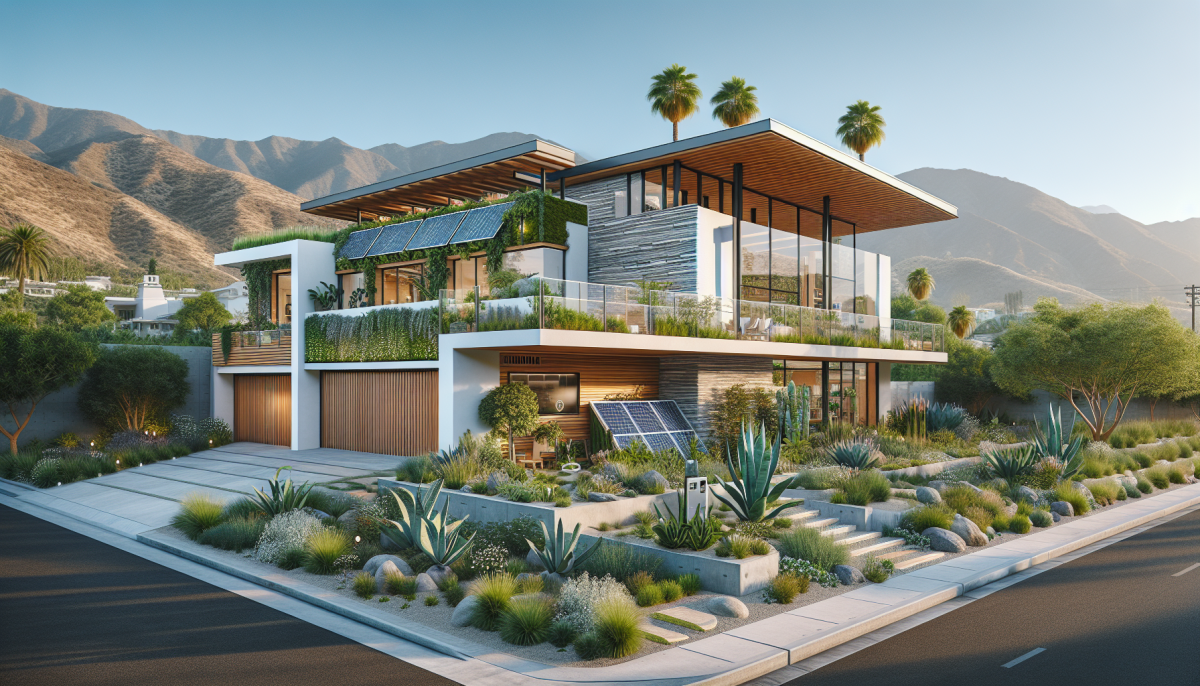
As California continues to face unprecedented environmental challenges and rapid technological advancement, the concept of future-proofing homes has become more critical than ever. Today’s homeowners and builders must consider not just immediate needs but also long-term sustainability, efficiency, and resilience. This comprehensive guide explores innovative solutions that California builders can implement to create homes that stand the test of time while meeting the evolving demands of modern living.
Understanding Future-Proofing: Why It Matters for California Homes
Future-proofing represents a holistic approach to home construction that anticipates and prepares for upcoming challenges and changes. In California’s dynamic environment, this means designing homes that can adapt to climate change, technological advances, and shifting demographic needs. The state’s unique combination of environmental risks, including earthquakes, wildfires, and drought, makes future-proofing not just a luxury but a necessity.
For California builders, implementing future-proof designs means considering factors like demographic shifts, changing work patterns, and evolving lifestyle preferences. This might include creating flexible spaces that can serve multiple purposes, incorporating universal design principles for aging-in-place, and ensuring homes can accommodate new technologies as they emerge.
Sustainable Building Materials: The Key to Longevity and Efficiency
The selection of building materials plays a crucial role in creating resilient, long-lasting homes. Modern sustainable materials offer superior durability while reducing environmental impact. Advanced composites, recycled materials, and innovative alternatives to traditional building components are revolutionizing how California homes are constructed.
Builders are increasingly turning to materials like cross-laminated timber, recycled steel, and low-carbon concrete alternatives. These materials not only offer enhanced structural integrity but also contribute to better indoor air quality and reduced carbon footprints. The integration of living walls, cool roofs, and other sustainable features helps create buildings that work in harmony with California’s climate.
Smart Home Technology: Enhancing Comfort and Security for Modern Living
The integration of smart home technology has become a cornerstone of future-proof design. Modern California homes are increasingly equipped with sophisticated systems that manage everything from energy usage to security. Smart thermostats, automated lighting systems, and advanced security features are becoming standard inclusions rather than luxury additions.
These technologies not only enhance daily living but also provide valuable data about home performance and maintenance needs. The key is implementing systems that can be easily updated and expanded as new technologies emerge, ensuring homes remain current without requiring major renovations.
Energy Efficiency Innovations: Reducing Costs and Environmental Impact
Energy efficiency remains at the forefront of future-proof design, particularly in California where energy costs and environmental concerns are significant factors. Advanced solar systems, energy storage solutions, and high-efficiency HVAC systems are essential components of modern home design. The integration of passive solar design principles and natural ventilation systems helps reduce energy consumption while maintaining comfort.
Innovative solutions like dynamic glass, advanced insulation materials, and energy monitoring systems are becoming increasingly important. These technologies not only reduce operational costs but also help homes meet and exceed California’s stringent energy efficiency standards.
The Role of Resilience: Preparing Homes for California’s Unique Climate Challenges
Resilience in home design has taken on new importance as California faces increasing environmental challenges. This means creating homes that can withstand extreme weather events, adapt to changing conditions, and maintain functionality during emergencies. Features like fire-resistant materials, earthquake-resistant construction techniques, and drought-tolerant landscaping are becoming essential considerations.
Water management systems, including greywater recycling and rainwater harvesting, help homes remain functional during water shortages. Additionally, the incorporation of backup power systems and robust communication infrastructure ensures homes can maintain essential services during emergencies. These resilience measures not only protect property value but also provide peace of mind for homeowners in an increasingly unpredictable climate.