
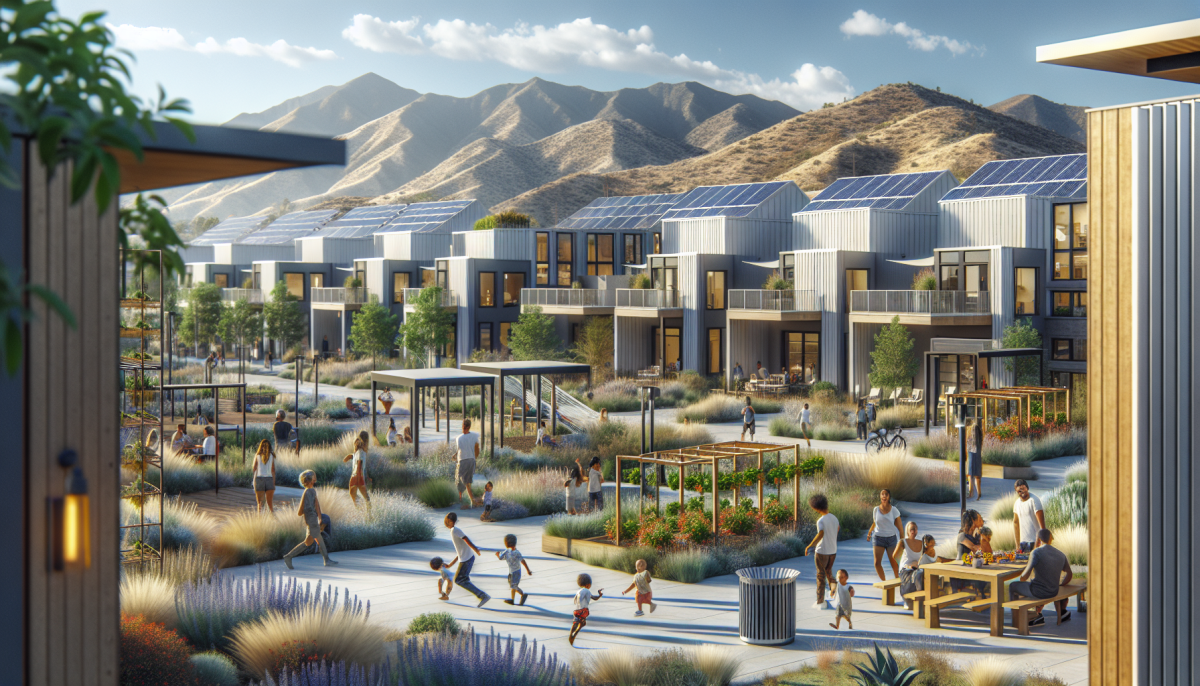
Understanding Sustainable Building: Why It Matters for California’s Future
As California grapples with the dual challenges of rapid urbanization and climate change, the importance of sustainable building practices has never been more pronounced. Sustainable building, at its core, refers to the design and construction of homes and communities that minimize environmental impact while promoting the health and well-being of their inhabitants. With California’s diverse ecosystems, from coastal regions to arid deserts, the need for environmentally responsible construction methods is critical. This approach not only helps to preserve the state’s natural beauty but also addresses pressing issues such as energy consumption, water scarcity, and air quality.
Why should we care about sustainable building? The answer lies in the long-term benefits it offers. Sustainable homes are designed to be energy-efficient, reducing utility costs for homeowners while decreasing reliance on fossil fuels. Additionally, these homes often incorporate materials that are sourced responsibly, further reducing their carbon footprint. As California continues to experience extreme weather events, including droughts and wildfires, the resilience offered by sustainable building practices becomes increasingly vital. By embracing these methods, we can create communities that are not only livable today but also sustainable for future generations.
Key Sustainable Practices Shaping New Home Communities in California
In recent years, California has seen a surge in the adoption of sustainable building practices across new home communities. One of the most significant trends is the integration of green building certifications, such as LEED (Leadership in Energy and Environmental Design) and the California Green Building Standards Code (CALGreen). These frameworks provide guidelines that encourage builders to implement energy-efficient technologies, use sustainable materials, and promote indoor environmental quality.
Another key practice is the emphasis on smart home technology. Many new homes are equipped with smart thermostats, energy-efficient appliances, and home automation systems that allow homeowners to monitor and control their energy usage. This not only enhances convenience but also empowers residents to make informed decisions about their energy consumption.
Moreover, the use of sustainable materials is gaining traction. Builders are increasingly opting for recycled, reclaimed, or rapidly renewable resources, which help to reduce waste and lower the environmental impact of construction. For instance, bamboo flooring and recycled steel framing are becoming popular choices due to their durability and sustainability. These practices not only contribute to a home’s ecological footprint but also create a healthier living environment for residents.
The Role of Renewable Energy in Sustainable Home Design
Renewable energy is a cornerstone of sustainable home design, particularly in California, where the sun shines abundantly. Solar energy systems have become a standard feature in many new homes, allowing homeowners to harness the power of the sun to meet their energy needs. California’s commitment to renewable energy is further solidified by state mandates requiring new homes to include solar panels, making it easier for residents to transition to clean energy sources.
In addition to solar power, other renewable energy technologies are being integrated into home designs. Wind turbines and geothermal heating systems are emerging as viable options for homeowners looking to reduce their carbon footprint. These systems not only provide energy independence but also offer potential savings on utility bills, making them an attractive investment for many families.
The integration of renewable energy sources also contributes to the overall resilience of communities. By reducing reliance on traditional power grids, homes equipped with renewable energy systems can better withstand power outages and fluctuations in energy prices. This shift towards self-sufficiency is essential in a state that frequently faces natural disasters and energy crises.
Water Conservation Techniques: Building Homes for a Drier Future
Water conservation is a pressing concern in California, where drought conditions have become increasingly common. Sustainable building practices are addressing this challenge through innovative water conservation techniques. One effective approach is the installation of low-flow fixtures and appliances, which significantly reduce water usage without sacrificing performance. These fixtures, including faucets, showerheads, and toilets, are designed to minimize water consumption while maintaining comfort and convenience.
Moreover, many new home communities are incorporating rainwater harvesting systems and greywater recycling. These systems collect and reuse water from roofs and sinks, respectively, for irrigation and other non-potable uses. By capturing and repurposing water, homeowners can significantly reduce their reliance on municipal water supplies, contributing to a more sustainable water management strategy.
Landscaping also plays a crucial role in water conservation. Xeriscaping, which involves using drought-resistant plants and efficient irrigation techniques, is becoming a popular choice for new developments. This approach not only conserves water but also enhances the aesthetic appeal of communities, creating vibrant outdoor spaces that thrive in California’s climate.
The Benefits of Sustainable Building for Homeowners and Communities
The benefits of sustainable building extend far beyond environmental considerations. For homeowners, sustainable homes often translate to lower utility bills and increased property value. Energy-efficient designs and renewable energy systems can lead to substantial savings over time, making these homes an attractive investment. Additionally, many sustainable homes come with warranties and incentives, further enhancing their appeal.
Communities that embrace sustainable building practices also reap significant rewards. These neighborhoods tend to foster a sense of community and well-being, as residents are often more engaged in environmental stewardship and local initiatives. Furthermore, sustainable communities are better equipped to handle the impacts of climate change, making them more resilient in the face of natural disasters.
Ultimately, the shift towards sustainable building practices in California represents a collective commitment to a healthier, more sustainable future. By prioritizing environmentally responsible construction, we can create vibrant communities that not only meet the needs of today but also safeguard the planet for generations to come. As we continue to navigate the complexities of urban development and climate change, embracing sustainable practices will be essential in shaping a better tomorrow.