
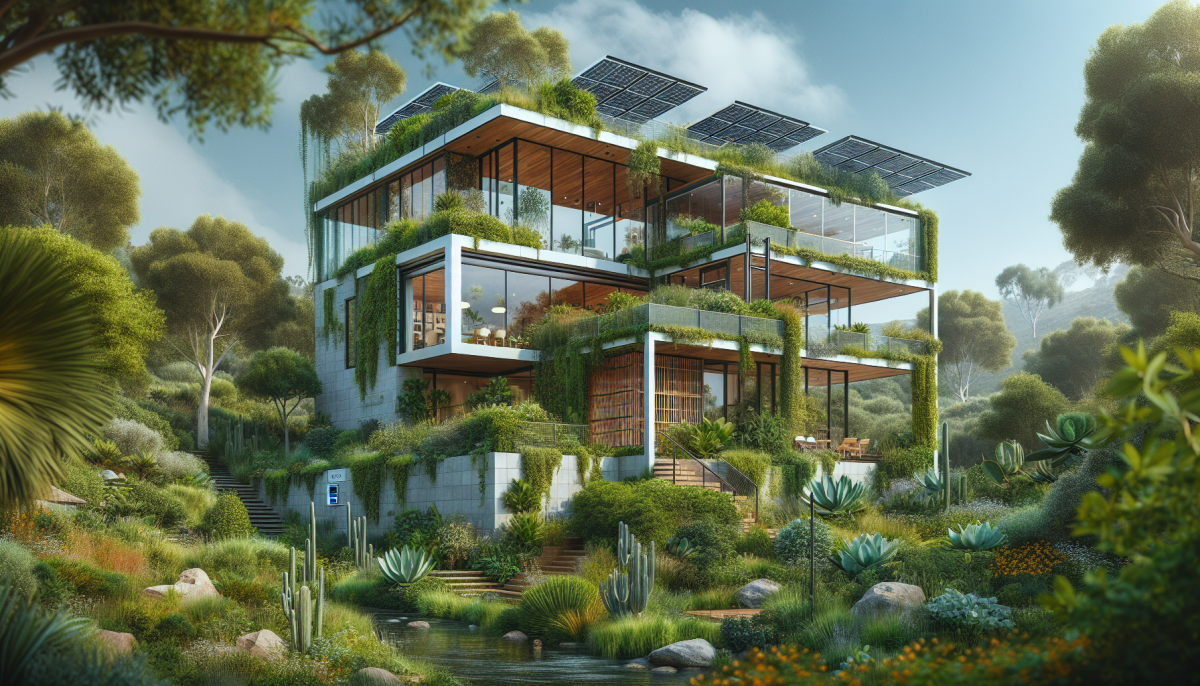
Embracing the Future: Why Sustainable Building Matters for California Homeowners
As California faces increasing environmental challenges, the importance of sustainable building practices has never been more pronounced. Homeowners are increasingly recognizing that their choices in construction and renovation can significantly impact not only their immediate living conditions but also the broader ecosystem. With the state’s unique climate issues, including wildfires, droughts, and rising temperatures, embracing sustainable building is not merely a trend; it is a necessity for future-proofing homes. By prioritizing eco-friendly practices, homeowners can contribute to a healthier planet while also enhancing their property’s value and resilience.
Moreover, sustainable building is about more than just environmental responsibility. It offers tangible benefits such as reduced utility costs, improved indoor air quality, and increased comfort. As we move into 2024, California homeowners have the opportunity to adopt innovative solutions that align with both personal values and economic interests. The shift towards sustainability is not just a moral imperative; it is a smart investment in a home’s future.
Innovative Building Materials: Eco-Friendly Choices for a Greener Home
When it comes to building or renovating a home, the materials chosen can have a profound impact on sustainability. In 2024, innovative building materials are at the forefront of eco-friendly construction. Options such as bamboo, reclaimed wood, and recycled steel are gaining popularity due to their lower environmental impact compared to traditional materials. Bamboo, for instance, is a rapidly renewable resource that grows quickly and absorbs carbon dioxide, making it an excellent choice for flooring and cabinetry.
Additionally, manufacturers are developing advanced materials like hempcrete and mycelium-based products, which are not only sustainable but also offer superior insulation properties. These materials can help regulate indoor temperatures, reducing the need for heating and cooling systems, which in turn lowers energy consumption. Homeowners should also consider using low-VOC (volatile organic compounds) paints and finishes to improve indoor air quality while minimizing harmful emissions.
As you explore these innovative materials, you might wonder about their durability and cost-effectiveness. While some eco-friendly options may have a higher upfront cost, their long-term benefits, including lower maintenance and energy bills, often outweigh initial investments. By choosing sustainable materials, homeowners can create a beautiful, functional space that aligns with their values and contributes to a healthier planet.
Smart Home Technology: Enhancing Comfort and Efficiency in 2024
The integration of smart home technology is revolutionizing how we interact with our living spaces, particularly in California, where energy efficiency is paramount. In 2024, homeowners can leverage smart devices to enhance comfort and reduce energy consumption. Smart thermostats, for example, learn your habits and adjust heating and cooling systems accordingly, ensuring optimal comfort while minimizing energy use.
Moreover, smart lighting systems can be programmed to turn off when rooms are unoccupied or adjust based on natural light levels, further reducing electricity consumption. Homeowners can also monitor their energy usage in real-time through smart meters, allowing them to identify patterns and make informed decisions about their energy consumption.
As you consider upgrading your home with smart technology, you may wonder about the complexity of installation and usability. Fortunately, many smart devices are designed for easy installation and user-friendly interfaces. With the rise of voice-activated assistants, controlling your home’s systems has never been simpler. By embracing smart home technology, homeowners not only enhance their living experience but also contribute to a more sustainable future.
Energy Efficiency Upgrades: Sustainable Solutions for Lower Utility Bills
Energy efficiency upgrades are essential for California homeowners looking to reduce utility bills while minimizing their environmental footprint. In 2024, various solutions are available that can significantly enhance a home’s energy efficiency. One of the most impactful upgrades is the installation of high-performance windows and insulation. Energy-efficient windows reduce heat loss in winter and keep homes cooler in summer, while proper insulation ensures that heating and cooling systems work more effectively.
Additionally, upgrading to Energy Star-rated appliances can lead to substantial savings on energy bills. These appliances are designed to use less energy without sacrificing performance, making them a smart choice for any homeowner. Furthermore, solar panel installations continue to gain traction in California, thanks to state incentives and decreasing costs. By harnessing solar energy, homeowners can significantly reduce their reliance on grid electricity and lower their overall energy expenses.
As you contemplate energy efficiency upgrades, you might ask how to prioritize these improvements. A home energy audit can provide valuable insights into where your home is losing energy and which upgrades will yield the best return on investment. By making informed decisions, homeowners can enjoy a more comfortable living environment while contributing to a sustainable future.
Planning for Resilience: Designing Homes to Withstand California’s Climate Challenges
California’s unique climate challenges necessitate a proactive approach to home design and construction. As we look toward 2024, planning for resilience is crucial for homeowners who want to safeguard their investments against natural disasters such as wildfires, earthquakes, and floods. One effective strategy is to incorporate fire-resistant materials and landscaping techniques that create defensible space around the home. This can include using non-combustible siding, metal roofs, and fire-resistant plants to reduce the risk of fire damage.
Moreover, designing homes with elevated foundations can help mitigate flood risks, particularly in areas prone to heavy rainfall and rising sea levels. Incorporating features such as rainwater harvesting systems and permeable paving can also enhance a home’s resilience by managing stormwater runoff and reducing the risk of flooding.
As you consider these design strategies, you may wonder about the costs associated with building for resilience. While some features may require a higher initial investment, the long-term benefits of reduced damage and lower insurance premiums can make these upgrades worthwhile. By planning for resilience, homeowners not only protect their properties but also contribute to the overall sustainability of their communities.